Vehicle modifications — road-legal in Australia (Part 1)
Practical guidance on keeping performance, safety and compliance aligned with Australian road rules. Essential reading before any ECU remap, turbo, exhaust or suspension change.

Why compliance matters in Australia
Australian states enforce different aspects of vehicle standards (ADRs, local road registries, and state regulators). Non-compliant modifications can result in fines, refusal of registration, or insurance voidance.
- Safety and roadworthiness are paramount.
- Emissions and noise regulations vary by state.
- Engineering certificates may be required for structural or engine swaps.
Compliance checklist (quick scan)
Common modifications and typical legal notes
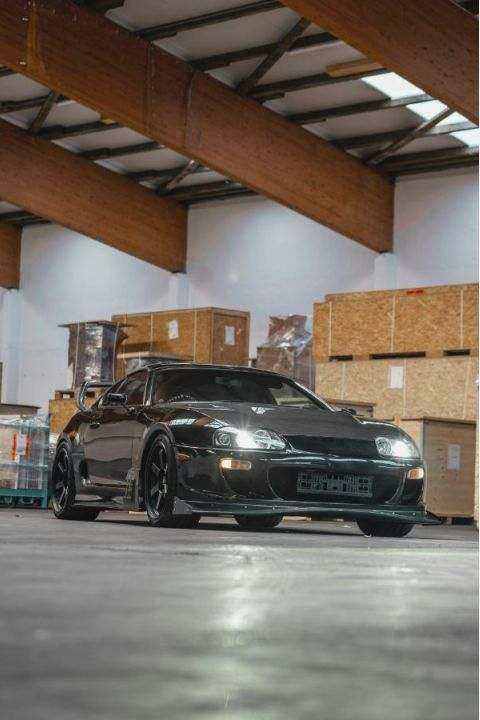
Air intake
Filter changes often OK if not changing emissions controls; keep factory MAF/air-flow calibration or follow approved tuning path.
Exhaust
Cat removal is illegal; noise limits apply. Use certified aftermarket systems where possible and document sound levels.

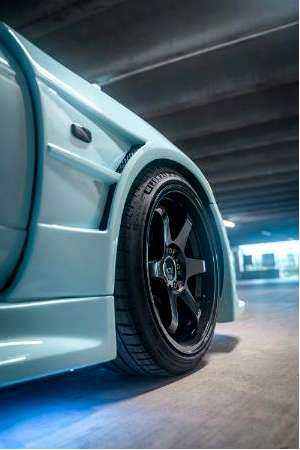
Suspension & wheels
Wheel offsets, ride height and steering geometry changes may need engineering sign-off to remain road-legal.

Case study: turbo upgrade & certification
A local Audi Q5 turbo upgrade was planned with intercooler, ECU remap and exhaust. We prepared design documentation, sound test reports and an engineer assessment to register the modification. Roadworthy acceptance required correction to vehicle weight distribution and upgraded braking pads.
Dyno, ECU remap and tuning considerations
Dyno testing documents baseline outputs and supports remap validation. We recommend staged tuning with emissions-aware targets and safety margins for AFR and boost.
| Stage | Typical scope | Compliance notes |
|---|---|---|
| Stage 1 | Intake, mild ECU tune | Usually *** engineering required; retain emissions equipment |
| Stage 2 | Turbo & exhaust | May trigger engineering or noise testing |
| Stage 3 | Engine internals / swaps | Require full certification and registration updates |
Ready to proceed?
Start with a pre-mod compliance consult. We prepare documentation for inspections and coordinate with certified engineers when needed.